Quick Answer:
A restaurant HVAC system is fundamentally different from a standard commercial building system because it must remove enormous heat, grease, and combustion byproducts through a kitchen exhaust hood while simultaneously replacing that exhausted air with conditioned makeup air, all without creating negative pressure that backdrafts carbon monoxide from gas equipment into the kitchen.
Oklahoma restaurant owners must comply with NFPA 96 (kitchen fire safety), the International Mechanical Code as adopted locally, and Oklahoma State Department of Health food service rules, which require kitchen areas to stay functional and food-safe regardless of outdoor temperature. A properly designed system for a typical Oklahoma restaurant runs $15,000 to $60,000 or more depending on kitchen size, hood length, and whether ductwork already exists.
This guide covers what most general commercial HVAC content skips entirely: how Oklahoma’s specific climate, energy rates, and health code requirements interact with the fire and ventilation codes that govern every commercial kitchen in the country. We also cover the cost realities for Oklahoma specifically and the maintenance schedule that keeps a restaurant passing inspections and avoiding emergency repairs during your busiest service hours.
Industry Context:
The HVAC load in a typical restaurant represents roughly 30% of total energy consumption, and the kitchen ventilation system alone can account for up to 50% of that HVAC load once fan energy and tempering of makeup air are included. Restaurant HVAC is not a smaller version of residential HVAC; it is a different engineering problem entirely, driven primarily by the exhaust and makeup air balance rather than simple heating and cooling.
Table of Contents
- The Three Systems Working Together in Every Restaurant
- The Codes That Govern Restaurant HVAC in Oklahoma
- What a Restaurant HVAC System Costs in Oklahoma
- Oklahoma-Specific Factors That Affect Restaurant HVAC Design
- Maintenance: What Keeps a Restaurant Passing Inspection
- Common Mistakes That Cost Oklahoma Restaurant Owners Money
- Final Thoughts
- Frequently Asked Questions
- Related Posts You May Find Helpful
The Three Systems Working Together in Every Restaurant
A functioning restaurant HVAC setup is really three interconnected systems, and most ventilation failures trace back to one of these three being out of balance with the other two.
1. The Kitchen Exhaust Hood System
The hood captures heat, smoke, grease-laden vapor, and combustion byproducts directly above your cooking equipment and exhausts them outside through ductwork. Hood sizing is calculated by the linear-foot method: codes assign a required CFM (cubic feet per minute) per linear foot of hood based on the duty classification of the equipment underneath it.
| Cooking Duty Classification | Example Equipment | Typical CFM per Linear Foot of Hood |
| Light duty | Ovens, steamers, no exposed flame | 150 to 200 CFM |
| Medium duty | Griddles, fryers, ranges | 300 CFM |
| Heavy duty | Charbroilers, woks | 350 to 400 CFM |
| Extra-heavy duty | Solid fuel cooking (wood, charcoal) | 400+ CFM, dedicated fire codes apply |
2. The Makeup Air (MUA) Unit
This is the system most general contractors and even some general HVAC technicians underestimate, and it is the part of restaurant HVAC with no real residential equivalent. Physics requires that for every cubic foot of air your hood exhausts, a cubic foot of fresh air must enter the building to replace it. Without a dedicated makeup air unit sized to match the hood’s exhaust rate, the building runs at negative pressure.
Negative pressure in a restaurant is not a minor inconvenience. It produces a specific, recognizable set of problems: entrance doors that are difficult to pull open or that slam shut on their own, hoods that fail to fully capture smoke and grease because the makeup air cannot properly support the capture airflow, and most dangerously, backdrafting of carbon monoxide and combustion gases from gas-fired equipment like water heaters or other appliances pulling exhaust into the kitchen instead of safely venting outside.
Modern makeup air units are electronically interlocked with the exhaust fan so both systems start and stop together, and most include heating and cooling components to temper incoming outdoor air. Without that tempering, an Oklahoma restaurant in January would be drawing 20-degree outside air directly into the kitchen, and in August, 100-degree air, neither of which your kitchen staff can work safely or comfortably alongside a hot cookline.
3. The Dining Room and General HVAC System
This is the part that most resembles a standard commercial HVAC system: rooftop units or split systems conditioning the dining room, bar, and restrooms for guest comfort. Codes require this system to be kept separate from the kitchen exhaust system. Air from kitchen work areas, classified under ASHRAE Standard 62.1 as a different air class, generally cannot be recirculated into systems serving the dining room or other spaces, which means the kitchen and front-of-house typically need separate ventilation strategies even when sharing the same building.
The Codes That Govern Restaurant HVAC in Oklahoma
NFPA 96: The Fire Safety Foundation
Published by the National Fire Protection Association, NFPA 96 is the controlling standard for commercial kitchen ventilation fire safety nationwide, and Oklahoma fire marshals enforce it directly. It dictates hood construction, duct cleaning requirements, fire suppression system design, and the critical requirement that any fire suppression system activation must automatically shut down both the cooking equipment’s fuel or power supply and the makeup air unit, preventing the fire from being fed additional oxygen.
International Mechanical Code (IMC), Section 507 and 508
The IMC governs the mechanical engineering side: required exhaust airflow rates, makeup air sizing and tempering requirements, and how the two systems must be balanced. Section 508 specifically requires makeup air to be automatically controlled to start and operate simultaneously with the exhaust system, a requirement that exists precisely to prevent the negative-pressure problems described above. Oklahoma municipalities, including Tulsa and Claremore, generally adopt the IMC with local amendments, so it is worth confirming current local amendments with your city’s building department during planning.
Oklahoma State Department of Health Food Service Rules
Beyond fire and mechanical codes, Oklahoma’s health code (administered locally by entities like the Tulsa Health Department and the Oklahoma City-County Health Department) layers on its own ventilation and sanitation requirements. These include rules around proper air duct construction to prevent contamination, grease trap accessibility for daily cleaning, prevention of condensation dripping from ceilings onto food prep areas, and general kitchen sanitation standards that depend on a properly functioning, balanced HVAC system to maintain.
A restaurant that fails its makeup air balance, even if the exhaust hood itself meets fire code, often runs into secondary health code problems: condensation forming on cold surfaces because the makeup air is not properly tempered, or odor and grease migration into dining areas because negative pressure is pulling kitchen air where it should not go.
Why This Matters for Inspections:
A simple, fast field test many Oklahoma health and fire inspectors use is opening the kitchen’s exterior or back door. If it is noticeably hard to pull open or slams shut on its own, that is a visible sign of negative pressure and an imbalanced makeup air system, something an inspector can identify in seconds without any equipment, and it is treated as a red flag worth investigating further.
What a Restaurant HVAC System Costs in Oklahoma
Costs vary enormously based on kitchen size, hood length, equipment duty classification, and whether the space had previous restaurant infrastructure or is a ground-up build. Here is a realistic range for Oklahoma restaurants in 2025 and 2026:
| Project Scope | Typical Cost Range in Oklahoma |
| Hood and exhaust fan replacement only (existing ductwork) | $8,000 to $20,000 |
| Complete exhaust hood system (hood, fan, ductwork) | $15,000 to $35,000 |
| Makeup air unit, new install | $8,000 to $25,000 |
| Complete kitchen ventilation package (hood + MUA + ductwork) | $25,000 to $60,000+ |
| Dining room/front-of-house RTU system (per unit) | $8,000 to $18,000 |
| Fire suppression system (UL 300, hood-integrated) | $3,000 to $8,000 |
| Full restaurant HVAC build-out (ground-up new restaurant) | $50,000 to $150,000+ |
Oklahoma-Specific Factors That Affect Restaurant HVAC Design
Summer Heat Load Is Brutal on Top of Kitchen Heat
A commercial kitchen cookline already generates enormous heat from fryers, ranges, and ovens. Add Oklahoma’s outdoor summer temperatures, regularly above 95 to 100 degrees for weeks at a time, and the dining room and kitchen HVAC systems face a compounded load most general commercial buildings never experience. Undersized cooling in the dining room during an Oklahoma August is one of the fastest ways to lose repeat customers, since guest comfort directly affects table turnover and reviews.
Winter Makeup Air Tempering Is Not Optional
Untempered makeup air pulled in during an Oklahoma winter cold snap, when temperatures can drop into the single digits or below, creates a genuinely unsafe and unworkable kitchen environment for staff working directly under or near the makeup air diffusers. Code-compliant makeup air units must temper incoming air, and skipping or undersizing this component to save upfront cost is a common but costly mistake that leads to staff complaints, equipment issues from cold drafts affecting electronics, and likely code citations.
Energy Costs Add Up Fast Without Heat Recovery
Every cubic foot of air a hood exhausts is air your restaurant already paid to heat or cool. A heat recovery unit captures thermal energy from the outgoing exhaust stream and uses it to pre-warm incoming makeup air in winter (or pre-cool it in summer, depending on system design), meaningfully reducing the load on the primary HVAC system. Given Oklahoma’s significant heating and cooling degree-day totals in both directions, heat recovery investments often pay back faster here than in more temperate climates.
Energy-Saving Controls Matter More for Margin-Tight Restaurants
Variable-volume exhaust and makeup air controls, which scale fan speed to match actual cooking activity rather than running at full capacity for the entire shift, can meaningfully reduce energy costs for restaurants running long hours with variable demand, such as breakfast-through-dinner operations common in Claremore and Tulsa’s main street districts. These systems cost more upfront but often pay for themselves within a few years through reduced fan energy and reduced tempering load on the makeup air unit.
Maintenance: What Keeps a Restaurant Passing Inspection
Restaurant HVAC maintenance is not optional or occasional; it is a continuous operational requirement directly tied to fire safety and health code compliance.
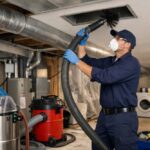
- Hood and duct grease cleaning: NFPA 96 mandates cleaning frequency based on cooking volume and equipment type, commonly every 3 to 6 months for solid fuel or high-volume cooking and at minimum annually for lower-volume kitchens. Grease buildup inside ductwork is one of the leading causes of catastrophic restaurant fires.
- Fire suppression system inspection: Required semi-annually under most fire codes, checking that the UL 300 system properly covers all cooking equipment, the hood interior, and the duct collar, with automatic shutoff of fuel, power, and makeup air confirmed functional.
- Makeup air and exhaust fan balance testing: Should be re-verified whenever equipment changes, a new concept moves in, or the kitchen layout is modified, since these changes can throw off the original exhaust-to-makeup air ratio even if nothing was technically broken.
- Filter replacement on RTUs and makeup air units: Far more frequent than residential filter schedules due to higher airflow volumes and, in many kitchens, grease-laden ambient air affecting nearby intake filters.
- Annual comprehensive HVAC inspection: Covering refrigerant levels, electrical components, and overall system performance for both the dining room comfort system and the kitchen ventilation package.
Opening, Renovating, or Troubleshooting a Restaurant in Oklahoma?
Restaurant HVAC problems do not wait for a convenient time, and a failed inspection or a kitchen that cannot stay cool during a dinner rush directly costs you revenue. Rescue Heat and Air works with restaurant owners and operators across Claremore, Tulsa, Broken Arrow, Owasso, and northeast Oklahoma on system design, installation, repair, and the ongoing maintenance that keeps your kitchen compliant and comfortable. Call or email to schedule a commercial consultation.
Common Mistakes That Cost Oklahoma Restaurant Owners Money
- Undersizing the makeup air unit to save upfront cost: This is the single most expensive mistake to fix after the fact, since correcting it often means redesigning ductwork and electrical connections that were sized for a smaller unit.
- Treating the dining room HVAC and kitchen ventilation as one system: They have fundamentally different code requirements and air quality classifications. Combining them, or trying to save cost by tying them together, creates both code violations and operational problems.
- Skipping or delaying hood and duct cleaning: Grease buildup is cumulative and invisible from outside the ductwork until a fire marshal pulls an access panel during inspection or, worse, until it actually ignites.
- Reusing a previous tenant’s hood system without verifying it matches new equipment duty classification: A hood sized for light-duty ovens will not meet code for a new concept adding a charbroiler or high-volume fryer line.
- Assuming a residential or light-commercial HVAC technician can properly service kitchen ventilation: Commercial kitchen exhaust and makeup air systems require specific code knowledge that general HVAC experience does not automatically cover.
Final Thoughts
Restaurant HVAC in Oklahoma is governed by a layered set of fire, mechanical, and health codes that all depend on one underlying principle: the exhaust and makeup air systems must stay in balance. Get that balance right, with properly sized equipment, correct tempering, and consistent maintenance, and the rest of the restaurant’s comfort, safety, and inspection compliance follows naturally. Get it wrong, and you face a cascade of problems from difficult doors to failed inspections to genuine fire and carbon monoxide risk.
For restaurant owners managing a broader commercial property alongside food service, our guide on how much HVAC installation costs in Oklahoma covers general commercial and residential system costs that may apply to other parts of your building beyond the kitchen.
Frequently Asked Questions
What is makeup air and why does my restaurant need it?
Makeup air is the fresh outdoor air brought into a building to replace air removed by a kitchen exhaust hood. Without it, the kitchen runs at negative pressure, which causes doors to stick, hoods to lose capture effectiveness, and in serious cases, can backdraft carbon monoxide from gas equipment into the kitchen. Code requires makeup air systems to operate automatically alongside the exhaust fan.
How often does a restaurant hood need to be professionally cleaned in Oklahoma?
Cleaning frequency is based on cooking volume and equipment type under NFPA 96. High-volume or solid-fuel cooking operations typically need cleaning every 3 months, moderate-volume kitchens every 3 to 6 months, and lower-volume operations at minimum annually. Local fire marshals enforce these schedules during inspections.
Can I use a residential HVAC contractor for my restaurant kitchen?
For the dining room comfort system, possibly, though commercial-rated equipment is still required. For the kitchen exhaust hood and makeup air system specifically, you need a contractor with commercial kitchen ventilation experience and knowledge of NFPA 96 and IMC requirements, since this work directly affects fire safety code compliance and inspection outcomes.
Why does my restaurant’s back door slam shut or stick?
This is a classic symptom of negative air pressure caused by an undersized or malfunctioning makeup air system relative to your exhaust hood’s airflow. It is one of the first things experienced inspectors check, and it usually means the makeup air and exhaust systems need rebalancing or the makeup air unit needs to be resized.
How much does a commercial kitchen exhaust hood cost in Oklahoma?
A complete exhaust hood system including the hood, exhaust fan, and ductwork typically runs $15,000 to $35,000 in Oklahoma, depending on hood length, duty classification of the cooking equipment underneath it, and whether existing ductwork can be reused or new ductwork must be installed.
Does Oklahoma require a makeup air unit for every restaurant kitchen?
Yes, in essentially all practical cases. The International Mechanical Code, adopted with local amendments across Oklahoma municipalities including Tulsa and Claremore, requires makeup air to replace exhausted kitchen air and mandates that the makeup air system operate automatically in conjunction with the exhaust fan. There is no practical way to operate a commercial kitchen hood at meaningful exhaust volumes without a compliant makeup air solution.
Related Posts You May Find Helpful
These resources from Rescue Heat and Air may be useful for restaurant owners managing the broader HVAC needs of their property.
- How Much Does HVAC Installation Cost in Oklahoma?
For the residential or general commercial portions of a restaurant property, such as office space or an attached residence, this guide covers what standard HVAC installation costs across Claremore, Tulsa, and northeast Oklahoma. - How Long Does an HVAC Repair Take?
Understanding realistic repair timelines helps restaurant owners plan around service disruptions. This guide breaks down how long common HVAC repairs take, which applies to both kitchen ventilation components and general comfort systems. -
Fall HVAC Maintenance Checklist for Oklahoma
While written with homeowners in mind, the seasonal maintenance principles in this checklist, particularly around filter changes and pre-winter inspections, apply directly to the dining room comfort systems in a restaurant building. - HVAC Filter Guide: Types, Ratings & How Often to Change
Restaurant HVAC systems typically need more frequent filter changes than residential systems due to higher airflow volumes and ambient grease exposure. This guide covers filter types and ratings relevant to any commercial HVAC application. - Heat Pump vs. Furnace: Which Is Right for an Oklahoma Home?
For restaurant owners who also manage residential rental properties or live above their establishment, this guide compares heating system options relevant to the non-commercial portions of a mixed-use building.