Whether your home uses a furnace, heat pump, or hybrid HVAC system, following these steps can improve reliability, efficiency, and safety throughout winter.
Table of Contents
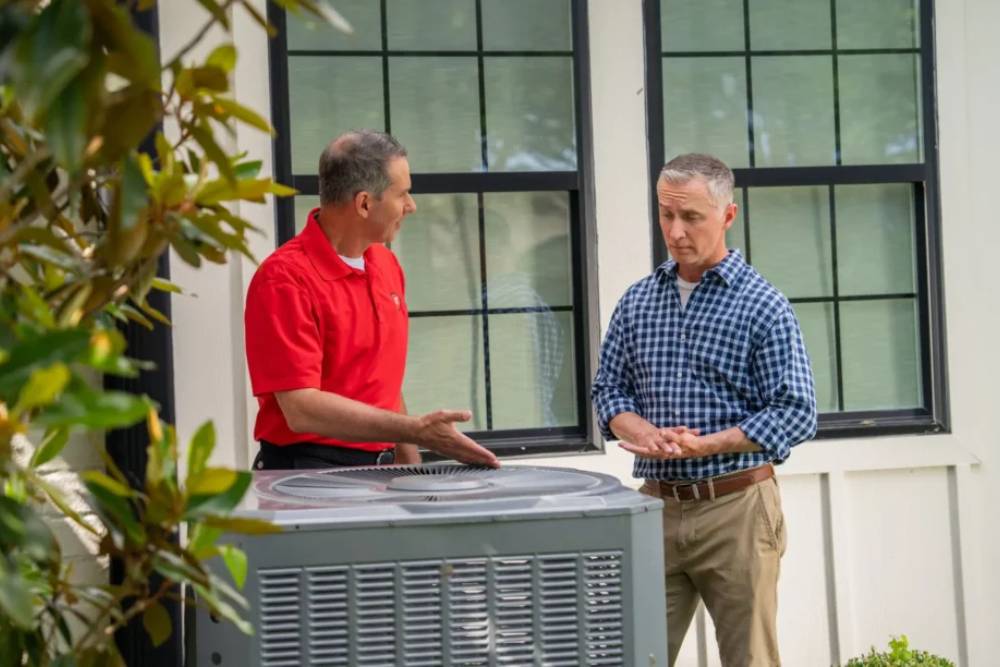
Why Winter HVAC Preparation Matters in Oklahoma
Heating systems account for a significant portion of winter energy use. In colder months, HVAC systems often run for extended cycles, increasing wear and tear on components. Without proper maintenance, small issues can quickly turn into expensive repairs or complete system failure during peak demand.
Homes in Oklahoma also face unique challenges:
- Rapid temperature swings that force systems to cycle frequently
- Ice accumulation that can affect outdoor HVAC components
- Older housing stock with varying insulation quality
Preparing your HVAC system before and during winter reduces emergency calls, improves comfort, and extends equipment lifespan.
Complete Winter HVAC Checklist
1. Replace or Clean Air Filters
Dirty air filters restrict airflow, forcing your heating system to work harder. During winter, filters should typically be checked every 30 to 60 days.
Benefits of clean filters include:
- Improved airflow and consistent heating
- Lower energy consumption
- Capacitors
- Better indoor air quality during closed-window months
Clogged filters are one of the most common causes of winter HVAC inefficiency and system strain.
2. Test Your Heating System Early
Turn on your heating system before cold weather sets in. This gives you time to identify issues like:
- Unusual noises
- Burning smells
- Weak airflow
- Uneven heating across rooms
Early testing helps avoid emergency repairs during peak winter demand when service availability may be limited.
3. Schedule Professional HVAC Maintenance
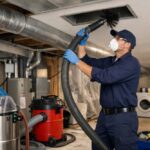
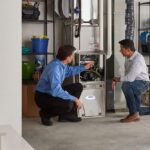
A professional winter HVAC tune-up typically includes:
- Inspecting heat exchangers, burners, and ignition systems
- Checking electrical connections and safety controls
- Measuring system efficiency and airflow
- Identifying worn components before failure
Regular maintenance helps prevent breakdowns and improves system efficiency during extended winter operation.
4. Inspect Thermostat Settings and Function
Your thermostat plays a key role in winter comfort and energy use.
Check that:
- The thermostat switches properly between heating modes
- Programmable schedules align with your daily routine
- Batteries are replaced if applicable
Smart and programmable thermostats can reduce unnecessary heating during sleep or away hours without sacrificing comfort.
5. Seal Air Leaks and Improve Insulation
Heat loss through air leaks can significantly increase heating costs. Inspect and seal:
- Doors and window frames
- Attic access points
- Basement or crawl space openings
- Duct penetrations
Even minor air leaks can allow warm air to escape and cold air to enter, forcing your HVAC system to run longer cycles.
6. Check and Clear Vents and Registers
Blocked vents disrupt airflow and cause uneven heating. Make sure:
- Furniture and rugs are not blocking registers
- Supply and return vents are fully open
- Dust buildup is removed from vent covers
Proper airflow helps maintain balanced temperatures throughout your home.
7. Inspect Ductwork for Leaks or Damage
Leaky or damaged ductwork can waste a significant amount of heated air. Signs of duct issues include:
- Cold rooms despite long heating cycles
- Whistling or rattling noises
- Dust accumulation near vents
Sealing and insulating ducts improves system efficiency and overall comfort.
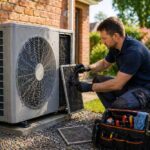
8. Protect Outdoor HVAC Components
If your system includes an outdoor heat pump or condenser:
- Remove leaves, debris, and snow buildup
- Keep at least two feet of clearance around the unit
- Avoid covering units unless designed for winter operation
Restricted airflow around outdoor units reduces efficiency and increases wear.
9. Test Carbon Monoxide Detectors
Heating systems that use gas or other combustion fuels can produce carbon monoxide if malfunctioning.
Ensure:
- Detectors are installed on every level of the home
- Batteries are replaced annually
- Units are tested before winter begins
This is a critical safety step for all homes with furnaces or gas appliances.
10. Monitor Energy Bills and System Performance
Unexpected spikes in energy usage can indicate HVAC inefficiency. Watch for:
- Sudden increases in utility bills
- Systems running longer than usual
- Inconsistent indoor temperatures
Early detection allows for corrective action before problems escalate.
Common Winter HVAC Problems to Watch For
Even with preparation, winter can reveal hidden issues such as:
- Short cycling caused by airflow or thermostat problems
- Frozen heat pump components during extreme cold
- Pilot light or ignition failures
- Reduced efficiency due to dirty components
Addressing these problems quickly helps prevent full system shutdowns.
How Winter HVAC Maintenance Saves Money Over Time
Consistent winter care helps homeowners:
- Reduce emergency repair costs
- Lower heating-related energy expenses
- Extend the life of major HVAC components
- Maintain stable indoor comfort during cold snaps
Preventive maintenance costs far less than emergency repairs or premature system replacement.
How Rescue Heat & Air Supports Oklahoma Homeowners in Winter
Rescue Heat & Air helps Oklahoma homeowners prepare their HVAC systems for winter with thorough inspections, honest recommendations, and reliable service. Our technicians understand how local weather patterns affect heating systems and focus on keeping homes comfortable, efficient, and safe throughout the season.
Whether you need a seasonal tune-up, airflow improvements, or help diagnosing winter heating issues, our team provides practical solutions tailored to Oklahoma homes.
Final Thoughts
Winter HVAC preparation is not just about comfort, it’s about reliability, safety, and cost control. Following a comprehensive winter HVAC checklist helps homeowners avoid common cold-weather problems while keeping heating systems running efficiently when they’re needed most.
A well-prepared HVAC system delivers consistent warmth, fewer disruptions, and peace of mind throughout the Oklahoma winter.
Related Articles:
HVAC Maintenance & Tune-Ups
- How Regular Commercial HVAC Maintenance Can Save Your Business Money
Great for homeowners who want to understand the long-term value of seasonal service. - Are HVAC Maintenance Plans Worth It?
Use this to reinforce why regular maintenance matters — especially before winter.
HVAC System Performance & Troubleshooting
- Do I Need a Bigger HVAC System for My Home?
Useful if readers are wondering whether sizing issues contribute to winter discomfort. - How to Troubleshoot Common HVAC Issues Before You Call
Helpful for homeowners trying basic HVAC checks before seeking service.
Indoor Air Quality & Comfort
- How Your HVAC System Affects Indoor Air Quality
Great for linking when discussing winter indoor air quality impacts. - How to Improve Indoor Air Quality in Your Commercial Building
Useful for homeowners who are also concerned about IAQ during colder months.
HVAC Financing & Cost Considerations
- Do HVAC Companies Offer Financing? Everything You Need to Know
For readers worried about the cost of maintenance or pre-winter service.