Table of Contents
- Understanding Commercial HVAC Maintenance
- The Financial Case for Regular Commercial HVAC Maintenance
- 8 Core Components of a Commercial HVAC Maintenance Plan
- How Often Should Commercial HVAC Maintenance Be Performed?
- Cost Savings Examples
- Why Commercial HVAC Maintenance Makes Sense for Long-Term Budgets
- Summary
- How Rescue Heat & Air Helps Oklahoma Businesses Save Money
- Next Steps! Get an Energy Efficiency Audit
For many businesses, commercial HVAC systems are one of the largest ongoing operational expenses. From energy consumption and routine repairs to unexpected system failures, heating and cooling costs can quickly add up, especially in commercial buildings that operate year-round. That’s why regular commercial HVAC maintenance plays a critical role in controlling expenses, improving system reliability, and protecting long-term investments.
This guide explains how preventive HVAC maintenance helps businesses reduce energy costs, avoid costly repairs, extend equipment lifespan, and maintain consistent indoor comfort. Whether you manage an office building, retail space, restaurant, multi-tenant property, or light commercial facility in Oklahoma, understanding how HVAC maintenance impacts your bottom line can help you make smarter, more cost-effective decisions.
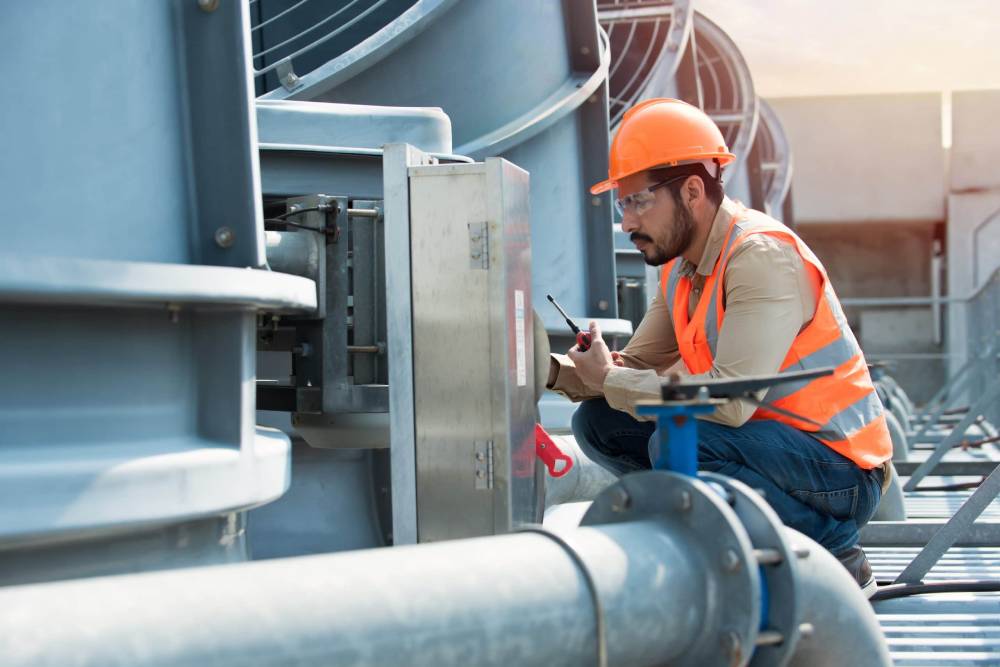
Understanding Commercial HVAC Maintenance
Commercial HVAC maintenance is a systematic, scheduled set of inspections, cleanings, calibrations, and performance checks performed on heating, ventilation, and air conditioning systems. It goes beyond occasional filter changes — it’s a structured service designed to prevent issues before they happen.
Unlike reactive repair, where a system is fixed only after it fails, preventive maintenance keeps your system operating optimally all year long. Regular maintenance is a foundational strategy for lowering operational costs, reducing unplanned repairs, and avoiding early system replacement.
For commercial facilities, HVAC systems can account for up to 40% of total building energy consumption. When systems operate efficiently, this percentage drops significantly, directly influencing operational budgets.
The Financial Case for Regular Commercial HVAC Maintenance
1. Lower Energy Costs
Commercial HVAC systems that are maintained regularly run at peak efficiency. When coils are clean, airflow is unobstructed, refrigerant levels are correct, and electrical components function properly, the system does not waste energy trying to reach and hold set temperatures.
On average, properly maintained HVAC systems can improve energy efficiency by 10–30%. These improvements translate directly to reduced utility bills, a significant savings for a business operating multiple HVAC units or running systems year-round.
2. Fewer Expensive Emergency Repairs
No business wants to deal with unexpected HVAC breakdowns, especially during peak seasons. Emergency repairs are usually more expensive than planned maintenance because they often require after-hours labor, expedited parts, and immediate troubleshooting.
Maintenance visits identify small issues before they escalate. For example, a loose electrical connection or low refrigerant level detected during a routine inspection can be fixed quickly and inexpensively — preventing a major compressor failure later.
3. Extended Equipment Life
Commercial HVAC equipment is a significant capital investment. A properly maintained system can last 3–5 years longer than a neglected one. That means spreading the upfront cost over more years of productive service and delaying expensive replacements.
Extending the life of an HVAC system reduces depreciation costs and improves capital planning for properties with multiple units.
4. Increased Reliability and Uptime
Commercial spaces depend on consistent indoor comfort to operate efficiently. Frequent HVAC failures disrupt business operations, reduce productivity, and can result in lost revenue.
Regular maintenance ensures consistent performance, which leads to fewer disruptions and enhanced comfort for employees and customers alike.
5. Improved Indoor Air Quality (IAQ)
Commercial environments often house many occupants daily. HVAC systems that are regularly cleaned and maintained help control dust, pollen, mold spores, and other pollutants. Better IAQ reduces sick days and improves occupant health — indirectly impacting operational costs and employee productivity.
8 Core Components of a Commercial HVAC Maintenance Plan
A comprehensive maintenance plan should include:
1. Seasonal Tune-Ups
Performed before high-demand seasons (pre-summer AC, pre-winter heating) to prepare the system for heavy use.
2. Filter Inspection and Replacement
Filters should be checked monthly and replaced as needed to maintain airflow and IAQ.
3. Coil Cleaning
Dirty evaporator or condenser coils reduce heat transfer efficiency and increase energy costs.
4. Refrigerant Level Checks
Proper refrigerant levels are essential for cooling performance and energy efficiency.
5. Calibration and Controls Testing
Ensures thermostats and building control systems are providing accurate readings and optimal performance.
6. Electrical Inspections
Loose wiring and worn contactors are a common cause of system failure — identified early through inspection.
7. Ductwork Inspection
Leaky or obstructed ducts can reduce system efficiency by up to 30%, leading to higher energy costs.
8. System Performance Analysis
Technicians examine the system holistically, tracking airflow, temperature spreads, and operational efficiency.
How Often Should Commercial HVAC Maintenance Be Performed?
For most commercial buildings, at least two maintenance visits per year are recommended. One before peak cooling season and one before peak heating season. More frequent checks may be beneficial for:
- High-occupancy buildings
- Facilities with 24/7 operations
- Buildings with older HVAC systems
- Properties with high dust or pollutant loads
Cost Savings Examples
Energy Savings Example
A commercial facility with poor airflow and dirty coils might see a 20% increase in energy consumption. After maintenance, cleaning, and airflow correction:
- Energy use decreases
- Monthly energy costs drop
- ROI is often realized within 6–18 months
Repair Cost Savings
Replacing a compressor can cost thousands; a preventive maintenance visit might identify a worn capacitor or dirty coil that, when fixed early, avoids the compressor failure entirely.
Why Commercial HVAC Maintenance Makes Sense for Long-Term Budgets
When modeling commercial building expenses, maintenance allows for predictable costs, fewer sudden financial hits, and more reliable budgeting. Owners and facility managers can plan ahead rather than responding reactively to system failures.
Maintenance also supports risk management, especially in climates like Oklahoma, where seasonal temperature swings place heavy demand on HVAC systems.
Summary
Regular commercial HVAC maintenance helps reduce energy costs, prevents expensive emergency repairs, extends equipment life, improves indoor air quality, and contributes to predictable operating budgets. A structured maintenance plan includes seasonal tune-ups, filter and coil checks, duct inspections, performance optimization, and refrigerant management — all of which deliver measurable financial benefits to businesses.
How Rescue Heat & Air Helps Oklahoma Businesses Save Money
At Rescue Heat & Air, we design custom commercial HVAC maintenance plans tailored to your building size, usage patterns, and budget. Our certified technician’s handle:
- Scheduled tune-ups and inspections
- Filter replacements and airflow checks
- Coil cleaning and refrigerant checks
- Control and thermostat calibration
- Duct inspection and cleaning
- Performance evaluation and improvement recommendations
We partner with property managers and facility directors to ensure systems perform efficiently, reliably, and cost-effectively year after year.
Next Steps! Get an Energy Efficiency Audit
Ready to see how much your business could save? A professional energy efficiency audit assesses your commercial HVAC system and identifies opportunities to optimize performance and cut costs.
Get an energy efficiency audit for your commercial HVAC system. Call 918-946-6681 or request an audit online.