Table of Contents
A new HVAC system is one of the most significant investments a homeowner makes, typically between $5,000 and $12,000 for a full residential installation in Oklahoma. The average system is designed to last 15 to 20 years. But in Oklahoma’s climate, where summers push air conditioners to run almost continuously for months, and winter cold snaps arrive suddenly and hard, many systems fail well short of that lifespan.
The difference between a system that lasts 12 years and one that lasts 22 years often comes down to consistent, simple habits. This guide covers the ten most effective steps Oklahoma homeowners can take to get maximum life from their heating and cooling system.
How Long Should Your HVAC System Last?
| System Type | Average Lifespan | Oklahoma Reality |
| Central Air Conditioner | 15–20 years | Often 12–15 years without proper maintenance due to heavy seasonal demand |
| Gas Furnace | 15–20 years | 15–20 years if serviced annually; shorter if air filter neglected |
| Heat Pump | 10–15 years | Runs year-round in Oklahoma’s mild winters; needs more frequent maintenance |
| Ductless Mini-Split | 15–20 years | Closer to 20 years with clean filters and annual coil cleaning |
| Packaged Unit | 12–15 years | Exposed to Oklahoma’s outdoor conditions; inspect cabinet and drainage annually |
10 Ways to Make Your HVAC System Last Longer
STEP 01
Change Your Air Filter, On Schedule
No single maintenance task has a greater impact on HVAC longevity than regular filter changes. A clogged filter forces your system to work harder to pull air through, increasing strain on the blower motor and causing the system to overheat or freeze. Oklahoma guidelines: 1-inch standard filters, every 30 days during peak summer and winter months, every 60 days in mild weather. Thicker 4–5 inch media filters can go 6 months. Homes with pets or allergy sufferers should change more frequently.
STEP 02
Schedule Annual Professional Tune-Ups, Twice a Year
Your HVAC system should be professionally serviced twice a year: once in spring before cooling season, and once in fall before heating season. A professional tune-up checks refrigerant charge, tests electrical connections, cleans coils, lubricates moving parts, and catches developing problems before they become failures. In Oklahoma’s climate, skipping even one annual service dramatically increases the risk of a summer or winter breakdown.
STEP 03
Keep the Outdoor Unit Clear
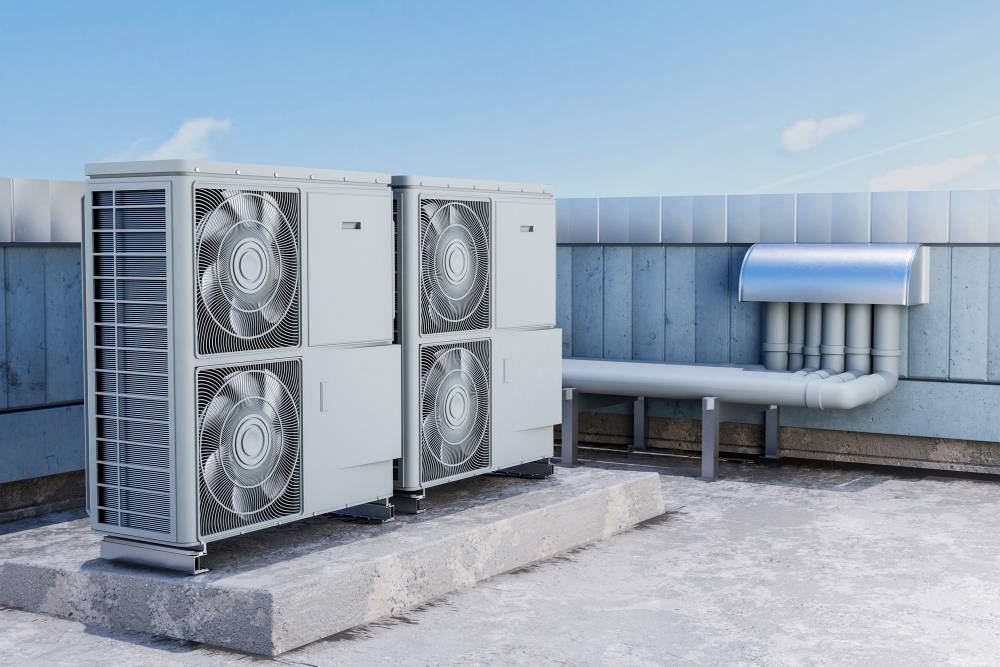
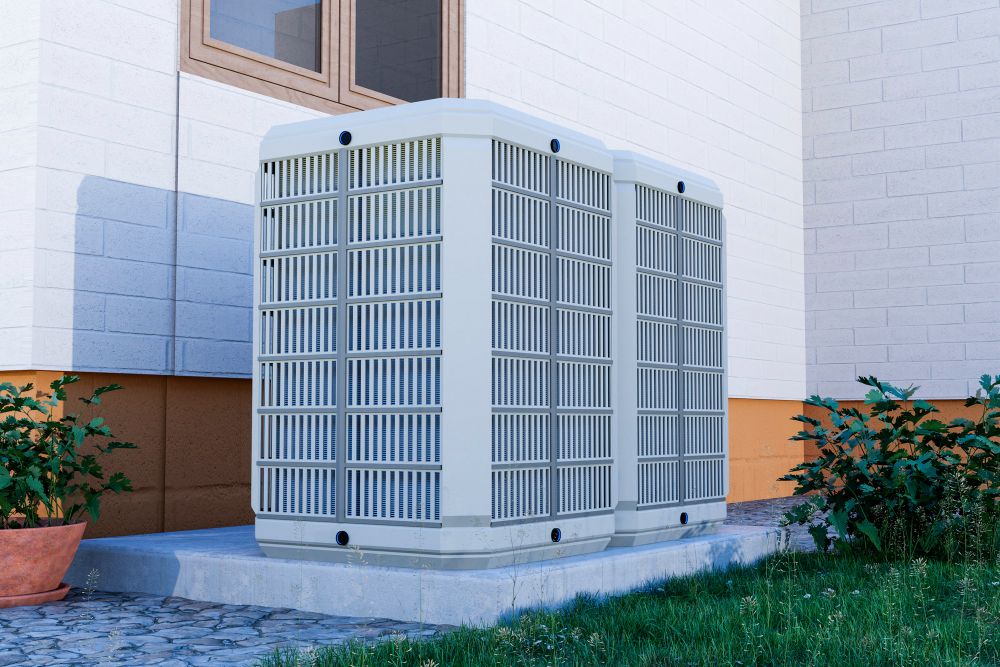
Your outdoor condenser unit needs at least 18–24 inches of clearance on all sides. Oklahoma-specific hazards: overgrown vegetation, storm debris after wind events, hail damage to condenser fins, and cottonwood fluff in late spring (which coats outdoor coils across Northeast Oklahoma). Clean or flush the unit after cottonwood season each year.
STEP 04
Don’t Ignore Minor Problems
Small HVAC symptoms rarely resolve themselves; they get worse. Common early warning signs: unusual noises (rattling, grinding, squealing), inconsistent temperatures room to room, system short-cycling, higher-than-normal energy bills, ice forming on the indoor or outdoor unit, musty or burning smell from vents. Address these as soon as they appear.
STEP 05
Keep Vents Open and Unobstructed
Closing supply vents in unused rooms creates pressure imbalances that force the blower to work harder, can cause ductwork leaks, and may freeze the evaporator coil in summer. Keep all supply and return vents open and make sure furniture, rugs, and curtains aren’t blocking any register.
STEP 06
Use a Programmable or Smart Thermostat
Constantly switching your thermostat between extremes forces your system into short, hard bursts that cause more wear than steady operation. For Oklahoma summers, a good baseline is: 78°F when home, 85°F when away. Avoid setting below 70°F at very low set points, the system risks freezing the evaporator coil.
STEP 07
Clean and Seal Your Ductwork
The EPA estimates homes lose 20–30% of conditioned air through leaky ductwork. In Oklahoma homes, especially older construction in the Claremore and Tulsa areas, duct leaks in unconditioned attics and crawl spaces can be substantial. Have your ducts inspected if rooms are consistently hotter or colder than others, or if energy bills seem disproportionately high.
STEP 08
Protect the System During Oklahoma Storm Season
After major storms: inspect the outdoor unit for physical damage, don’t run the system if it’s been submerged or severely impacted, check the electrical disconnect box is dry and undamaged. Also consider whole-home surge protection. Oklahoma’s frequent lightning strikes are a leading cause of HVAC control board failures.
STEP 09
Keep the Condensate Drain Clear
Your air conditioner removes humidity and drains it through a condensate line. In Oklahoma’s humid summers, this drain can clog and cause overflow damage or trigger automatic shutdowns. Flush the condensate drain line with diluted bleach every spring to prevent algae buildup.
STEP 10
Know When to Repair vs. Replace
Use the 5,000 rule: multiply the system age (years) by the estimated repair cost. If the result exceeds $5,000, replacement is often more economical. Other replacement signals: system uses R-22 refrigerant (now very expensive), compressor has failed, efficiency ratings are significantly below current SEER standards, repairs have exceeded $1,500 in the past 12 months.
Bottom line:
The two habits that do the most work, filter changes and annual tune-ups, cost very little and can easily add 5 or more years to your system’s life. Everything else builds on that foundation.
Related Blogs:
- Are HVAC Maintenance Plans Worth It?
- 10 Signs It’s Time to Replace Your HVAC System
- How Often Should Your HVAC System Be Serviced?
- How Oklahoma’s Weather Impacts Your HVAC System
Ready to Protect Your HVAC Investment?
Schedule a tune-up with Rescue Heat & Air and keep your system running at peak performance for years longer. Serving Claremore, Tulsa, and all of Northeast Oklahoma.