Understanding how weather impacts your HVAC system helps you make better decisions about maintenance, repairs, system sizing, and long-term efficiency.
Table of Contents
- Why Oklahoma’s Climate Is Hard on HVAC Systems
- How Extreme Summer Heat Affects HVAC Systems
- The Impact of High Humidity on HVAC Performance
- How Spring Storms and Wind Affect HVAC Systems
- How Oklahoma Winters Affect Heating Systems
- The Effects of Rapid Temperature Changes
- How Seasonal HVAC Stress Leads to Long-Term Problems
- Why HVAC Maintenance Is Essential in Oklahoma’s Climate
- The Role of Proper HVAC System Sizing
- How Weather Impacts Energy Efficiency Year-Round
- How Rescue Heat & Air Helps Oklahoma Homeowners Manage Weather-Related HVAC Stress
- Final Thoughts
Why Oklahoma’s Climate Is Hard on HVAC Systems
HVAC systems are designed to operate within specific temperature and humidity ranges. Oklahoma regularly pushes systems beyond those comfort zones.
Key climate challenges include:
- Extended periods of triple-digit summer temperatures
- High humidity during spring and summer
- Sudden cold snaps in winter
- Strong winds and airborne debris
- Rapid temperature changes across seasons
These conditions force HVAC systems to run longer cycles, switch modes frequently, and operate under higher mechanical and electrical strain.
How Extreme Summer Heat Affects HVAC Systems
Increased Runtime and System Wear
During Oklahoma summers, air conditioners often run for hours at a time. Extended runtime accelerates wear on:
- Compressors
- Fan motors
- Capacitors
- Electrical components
Longer cycles increase the risk of overheating, especially in older or poorly maintained systems.
Reduced Cooling Efficiency
As outdoor temperatures rise, air conditioners become less efficient at transferring heat outdoors. When temperatures climb above normal design conditions, systems must work harder to maintain indoor comfort, increasing energy consumption.
Higher Energy Bills
Cooling typically accounts for the largest share of summer energy usage. As temperatures increase, energy demand rises sharply, especially if systems are undersized, dirty, or poorly sealed.
The Impact of High Humidity on HVAC Performance
Added Moisture Load
Oklahoma’s humidity forces air conditioners to manage both temperature and moisture. Excess moisture in the air:
- Makes indoor spaces feel warmer than they are
- Causes longer cooling cycles
- Reduces overall comfort even at lower temperatures
Increased Strain on Evaporator Coils
High humidity means evaporator coils must remove more moisture from the air. Dirty coils or restricted airflow reduce this ability, leading to:
- Poor dehumidification
- Frozen coils
- Reduced system lifespan
Indoor Air Quality Concerns
Excess humidity encourages mold growth, dust mites, and musty odors, especially when HVAC systems are not properly maintained.
How Spring Storms and Wind Affect HVAC Systems
Debris Accumulation
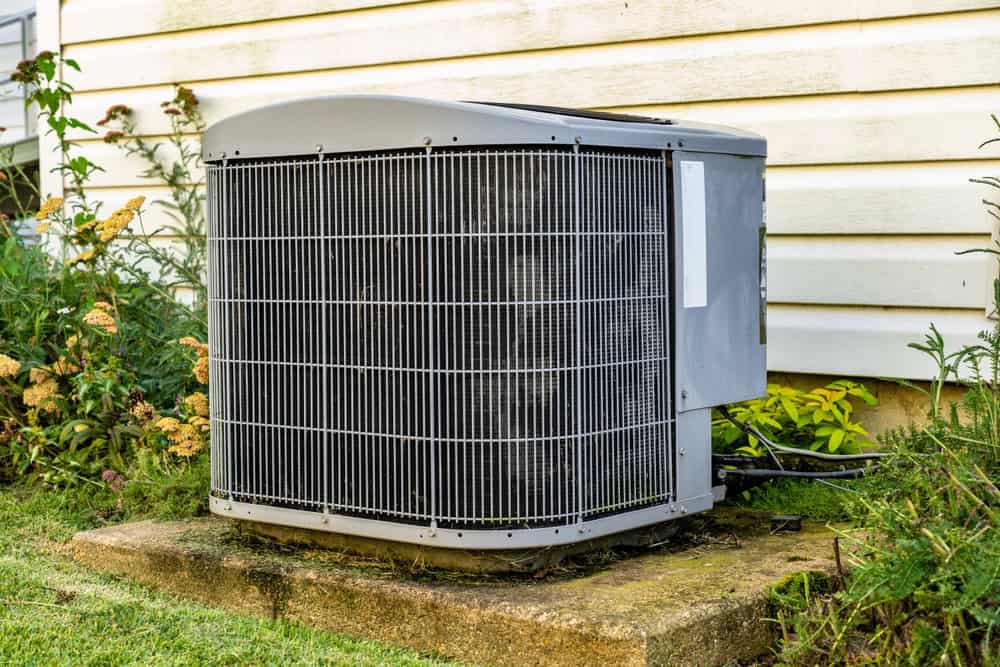
Strong winds and storms can push leaves, dirt, and debris into outdoor units. Blocked airflow reduces heat exchange efficiency and causes systems to overwork.
Electrical Stress from Power Fluctuations
Storms can cause brief power interruptions or voltage fluctuations, which may damage:
- Control boards
- Capacitors
- Compressors
Surge protection and proper grounding help minimize this risk.
Increased Demand During Temperature Swings
Spring often brings rapid shifts between heating and cooling. This frequent switching places additional wear on thermostats, relays, and control systems.
How Oklahoma Winters Affect Heating Systems
Sudden Cold Snaps
Although winters are generally moderate, Oklahoma frequently experiences sudden drops in temperature. These rapid changes:
- Force heating systems to work harder with little notice
- Expose weak components
- Increase the risk of breakdowns during peak demand
Heat Pump Challenges in Cold Weather
Heat pumps lose efficiency as outdoor temperatures fall. During colder periods:
- Systems rely more on auxiliary heat
- Energy usage increases
- Components experience additional strain
Furnace Stress and Safety Concerns
Gas and electric furnaces operate at full capacity during cold snaps. Without proper maintenance, issues such as ignition failure, airflow restriction, or heat exchanger problems become more likely.
Here is the Winter HVAC Checklist for Oklahoma Homeowners.
The Effects of Rapid Temperature Changes
Oklahoma’s frequent temperature swings cause HVAC systems to cycle more often. Short cycling and frequent mode changes can lead to:
- Increased wear on compressors and burners
- Inconsistent indoor comfort
- Reduced energy efficiency
- Premature component failure
Stable indoor comfort becomes harder to maintain when systems are constantly adjusting to outdoor extremes.
How Seasonal HVAC Stress Leads to Long-Term Problems
Over time, repeated exposure to extreme weather can cause:
- Shortened system lifespan
- Higher repair frequency
- Increased operating costs
- Declining comfort and air quality
Systems that are not properly sized or maintained tend to experience these issues sooner.
Why HVAC Maintenance Is Essential in Oklahoma’s Climate
Routine HVAC maintenance helps systems adapt to seasonal stress by:
- Improving airflow and heat transfer
- Identifying worn or failing components early
- Ensuring safe and efficient operation
- Reducing emergency breakdowns during extreme weather
Maintenance also helps preserve manufacturer warranties and improve overall system reliability.
The Role of Proper HVAC System Sizing
Oversized or undersized systems struggle in Oklahoma’s climate.
- Oversized systems short cycle and fail to manage humidity
- Undersized systems run constantly and wear out faster
Proper system sizing ensures balanced performance during both extreme heat and cold.
How Weather Impacts Energy Efficiency Year-Round
Weather-related inefficiencies often go unnoticed until energy bills rise. Contributing factors include:
- Leaky ductwork
- Poor insulation
- Dirty components
- Outdated thermostats
Addressing these issues improves performance regardless of season.
How Rescue Heat & Air Helps Oklahoma Homeowners Manage Weather-Related HVAC Stress
Rescue Heat & Air understands how Oklahoma’s climate affects HVAC systems throughout the year. Our team helps homeowners and property owners reduce weather-related strain through:
- Seasonal inspections and maintenance
- System performance evaluations
- Airflow and efficiency improvements
- Honest recommendations based on local conditions
By addressing climate-specific challenges, we help extend system life, control energy costs, and maintain comfort during Oklahoma’s most demanding weather conditions.
Final Thoughts
Oklahoma’s weather places unique and continuous stress on HVAC systems. Extreme heat, humidity, storms, cold snaps, and rapid temperature changes all contribute to increased wear and higher energy usage. Understanding how these factors affect your system allows you to take proactive steps that protect your investment.
With proper maintenance, correct system sizing, and timely service, your HVAC system can handle Oklahoma’s climate more efficiently and reliably year after year.