
This guide explains how HVAC sizing really works, the warning signs that point to an undersized system, and why “bigger” is not always better. By the end, you’ll understand how to determine whether your home truly needs a larger HVAC system or a smarter solution instead.
REQUEST FREE QUOTE
Why HVAC System Size Matters More Than You Think
HVAC systems are designed to deliver a specific amount of heating or cooling based on your home’s unique characteristics. When a system is properly sized, it maintains consistent temperatures, controls humidity, and operates efficiently.
When the size is wrong, problems show up quickly:
- Too small: runs constantly, struggles on hot or cold days, higher energy costs
- Too large: short cycles, uneven temperatures, humidity issues, and premature wear
Proper sizing directly affects:
- Comfort
- Energy efficiency
- Equipment lifespan
- Indoor air quality
This is why HVAC sizing is not about square footage alone—it’s about load calculations.
5 Common Signs Your HVAC System May Be Too Small
The System Runs Constantly
If your HVAC rarely shuts off during peak summer or winter days, it may not have enough capacity to meet demand.
Rooms Feel Uneven
Some rooms stay too hot or too cold even when vents are open and unobstructed.
Temperature Never Reaches the Thermostat Setting
When your thermostat is set correctly but indoor temperatures lag several degrees behind, capacity may be an issue.

High Energy Bills Without Usage Changes
An undersized system works harder and longer, consuming more energy to deliver less comfort.
Poor Humidity Control
In summer, a struggling AC may cool slightly but fail to remove enough moisture, leaving the home feeling sticky.
Why Bigger Isn’t Automatically Better
It may sound logical to install a larger HVAC system “just to be safe,” but oversizing can create just as many problems as undersizing.
Short Cycling
- Higher wear on components
- Reduced efficiency
- Less consistent comfort
Humidity Problems
Air conditioners need runtime to remove moisture. Oversized units cool the air too fast, leaving humidity behind.
Higher Upfront and Long-Term Costs
Larger systems cost more to install and can increase maintenance and repair expenses over time.
The goal is not the biggest system—it’s the right-sized system.
What Actually Determines the Right HVAC Size?
Professional HVAC sizing is based on a detailed load calculation, often called a Manual J calculation. This considers:
Home Size and Layout
Insulation Levels
Windows and Doors
Air Leaks and Ductwork
Local Climate
Relevant Industry Insights Homeowners Should Know
- Heating and cooling account for nearly half of a typical home’s energy use, making proper sizing critical for efficiency.
- Undersized HVAC systems often operate 20–30% longer than necessary, increasing wear and energy consumption.
- Oversized systems can reduce overall efficiency by up to 10–15% due to short cycling and poor humidity control.
These issues directly affect comfort, monthly utility costs, and system lifespan.
When a Bigger HVAC System Might Be the Right Choice
There are situations where upgrading to a larger system makes sense:
- You’ve added square footage through an addition or remodel
- Ceiling heights were increased or walls removed
- Insulation levels changed significantly
- Large windows or glass doors were added
- The original system was improperly sized from the start
In these cases, a new load calculation often shows increased heating or cooling demand.
When the Problem Isn’t System Size at All
Many homeowners are told they need a bigger HVAC system when the real issue lies elsewhere:
Ductwork Problems
Leaky, undersized, or poorly designed ducts can limit airflow and comfort.
Insulation and Air Sealing Issues
Improving insulation and sealing air leaks can dramatically reduce HVAC demand.
Aging or Inefficient Equipment
An older system may no longer perform at its original capacity.
Thermostat or Control Issues
Improper thermostat placement or calibration can misrepresent actual comfort levels.
Fixing these issues often restores comfort without replacing the entire system.
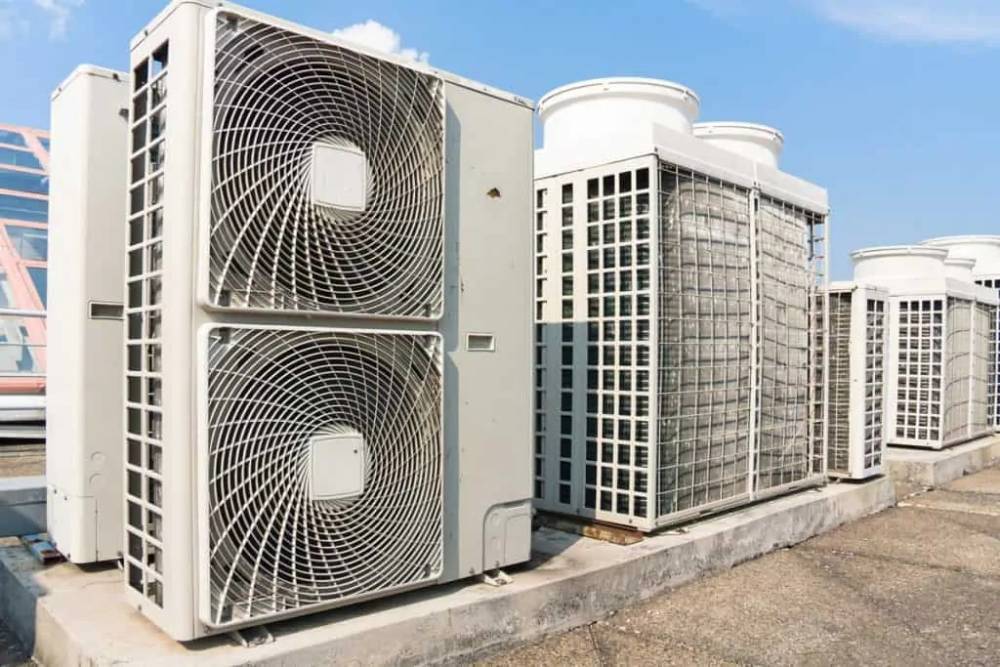
How Professionals Determine the Right HVAC Size
A reputable HVAC contractor will never recommend a larger system based on guesswork. Instead, they will:

- Perform a full load calculation
- Inspect ductwork and airflow
- Evaluate insulation and building envelope
- Consider your comfort concerns room by room
- Match equipment capacity to real-world demand
This process ensures the system is sized for efficiency, comfort, and longevity—not just peak conditions.
What to Do If You Think Your HVAC Is Too Small
At Rescue Heat & Air, we help Oklahoma homeowners determine whether their comfort issues stem from system size, airflow, insulation, or equipment performance. Our approach focuses on right-sizing solutions that improve comfort without unnecessary costs.
Final Takeaway
A bigger HVAC system is not always the answer—and in many cases, it can create new problems instead of solving old ones. The right HVAC system is one that matches your home’s actual heating and cooling needs.
If your system struggles to keep up, the smartest move is a professional assessment that identifies the real cause. When sizing is done correctly, your home stays more comfortable, your energy bills stay lower, and your HVAC system lasts longer.
If you’re unsure whether your home needs a bigger HVAC system or a better solution, Rescue Heat & Air is ready to help you make a confident, informed decision.