No Heat Right Now? Check These 5 Things First
A few quick checks can save you a service call. If none of them work, the problem is inside the system and needs a technician.
01

Thermostat
Set it to Heat, a few degrees above the room temperature. If the screen is blank, replace the batteries.
02

Air Filter
A clogged filter can make a furnace overheat and shut itself off. If you can’t see light through it, replace it.
03

Breaker and Furnace Switch
Check the breaker panel, then the light-switch-style power switch on or near the furnace. Both should be on.
04

Furnace Door
The front panel must be fully closed. A safety switch stops the furnace when the door is loose.
05

Heat Pump Outdoor Unit
Light frost that clears is normal. A solid block of ice for hours is not. Don’t chip at it; switch to Emergency Heat and call us.
⚠
Safety first. If you smell gas, leave the house now and call your gas company or 911 from outside. If a carbon monoxide alarm goes off, get everyone outside and call 911. Don’t try to restart the furnace.
Furnace and Heat Pump Problems We Fix
Find what you’re noticing on the left. The right column shows what usually causes it.
| What you notice | What usually causes it |
| Furnace blowing cold air | Dirty flame sensor, failed igniter, gas supply problem, or the furnace overheating and shutting off the burners |
| Furnace turns on and off every few minutes | Clogged filter, dirty flame sensor, overheating, a poorly placed thermostat, or a furnace too large for the home |
| Furnace runs but the house never warms up | Leaky ducts, a weak blower motor or capacitor, a system too small for the home, or a heat pump low on refrigerant |
| You hear clicking but the burners never light | Worn igniter, dirty flame sensor, gas valve problem, or a fault in the draft inducer or pressure switch |
| Banging, squealing or rattling | Banging often means delayed ignition. Squealing points to the blower motor. Rattling can be a loose panel or part. |
| Burning smell | A dusty smell for a few minutes at the first startup of the season is normal. A smell that lasts, or smells electrical, means turn the system off and call. |
| Heat pump blowing cool air or stuck in defrost | Defrost control or sensor failure, a reversing valve problem, or a refrigerant leak |
| Heating bill much higher than last winter | Dirty filter, a failing part making the system run longer, or a heat pump leaning on its backup heat strips |
We Repair Furnaces, Heat Pumps and Dual-Fuel Systems

Gas Furnaces
Gas furnaces heat quickly and hold up well in cold snaps. Most no-heat calls come down to the parts that light and monitor the flame: the igniter, flame sensor, gas valve and safety switches.

Electric Furnaces
Electric furnaces use heating elements instead of a flame. When one fails, you usually get some heat but not enough, or the system trips its breaker.

Heat Pumps
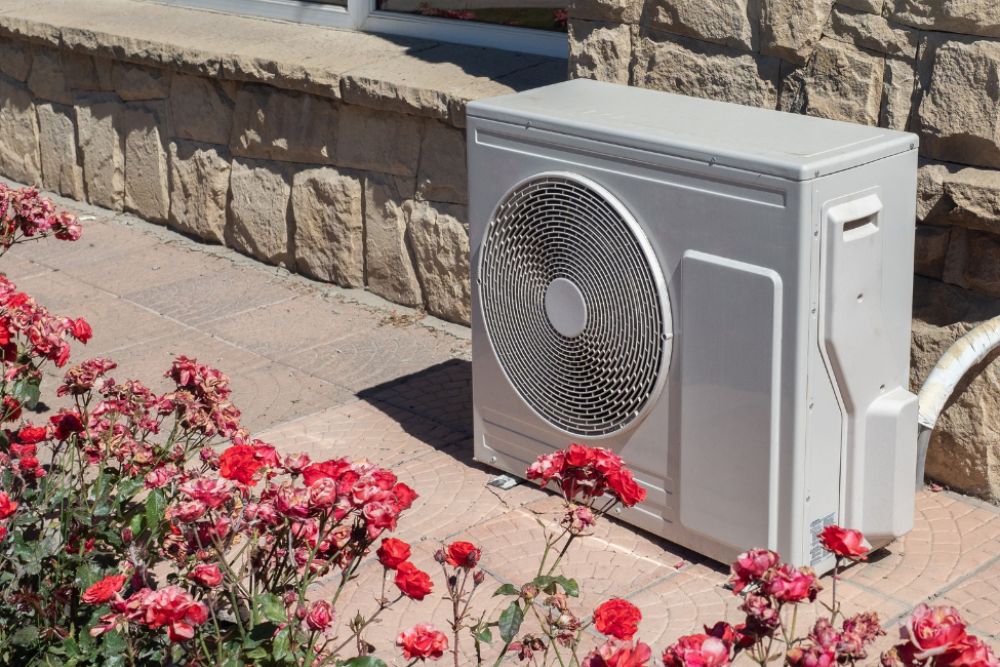
A heat pump heats and cools with the same equipment. In winter, problems often show up as cool air from the vents, a frozen outdoor unit, or high bills when backup heat runs too often.
Dual-Fuel Systems
A heat pump paired with a gas furnace. The heat pump handles mild days and the furnace takes over in the cold. If it switches at the wrong time, you may notice cold air or a surprise on your bill.
What Happens When You Call
01
You Call or Send a Request
Tell us what you’re noticing. We’ll set a time for a technician to come out.
02
We Find the Cause
We check the thermostat, ignition and flame sensing, safety switches, blower, airflow and, on heat pumps, the defrost system and refrigerant.
03
You Get a Written Quote
You’ll know the price before we start, and you decide whether to go ahead.
04
We Make the Repair
Once you approve the quote, the technician makes the repair.
05
We Test Before We Leave
We run a full heating cycle and check that the safety controls work.
Ready to get your heat back on?
What Affects the Cost of Furnace Repair
We don’t quote prices over the phone without seeing the system, because the same symptom can have a small, inexpensive cause or a major one. These are the things that move the price:
The Part That Failed
Flame sensors and igniters are on the low end. Blower motors, inducer motors and control boards cost more.
Warranty Coverage
If your system is still under manufacturer warranty, the part may be covered. As a Carrier Factory Authorized Dealer, we can check warranty status on Carrier equipment.
System Age and Condition
Older systems can have harder-to-find parts or more than one problem.
For typical price ranges, see our furnace repair cost guide. If a larger repair or a new system isn’t in this month’s budget, ask about HVAC financing.
Should You Repair or Replace Your Furnace?
Repair usually makes sense when
- The system is less than about 10 years old
- The problem is a single part
Replacement is worth a look when
- The furnace is 15 years or older, or the heat pump is 10 to 15 years old, and repairs are becoming regular
- A single repair would cost close to half the price of a new system
- The technician finds a cracked heat exchanger. This is a safety issue because it can let carbon monoxide into the home.
- Some rooms never get comfortable, even after repairs
Why Claremore Homeowners Call Rescue Heat & Air

Local Since 2010
We’ve served Claremore and Rogers County homes for more than 15 years.

Licensed
Oklahoma Mechanical License #100892.

Carrier Factory Authorized Dealer
Carrier backs our work with a 100% satisfaction guarantee.

NATE-Certified Technicians
NATE is the HVAC industry’s leading technician certification.

All Makes and Models
We repair Carrier and every other major brand.

BBB Accredited
Accredited by the Better Business Bureau since 2016.
What Our Customers Say
Heating Repair Areas We Serve
 Claremore
Not sure if we cover your address? Call 918-946-6681 and we’ll tell you.
Heating Repair FAQs

The most common causes are a dirty flame sensor, a failed igniter, or the furnace overheating because of a clogged filter. First check that the thermostat fan is set to Auto, not On, and replace the filter. If the air is still cold, call for a repair. Our guide on why a furnace blows cold air covers each cause in more detail.
Short cycling usually comes from overheating (often a dirty filter), a dirty flame sensor, or a thermostat placed near a heat source. It wears parts out faster, so it's worth having checked. See furnace short cycling causes and fixes.
A dusty smell for a few minutes at the first startup of the season is normal; it's dust burning off. If the smell lasts, gets stronger, or smells electrical, turn the system off and call us at 918-946-6681.
Yes. We repair gas furnaces, electric furnaces, heat pumps and dual-fuel systems, on all makes and models.
Yes. If your heat goes out after hours, call 918-946-6681. An after-hours fee applies, and we'll tell you the cost before we come out.
Once a year, ideally in the fall before cold weather. Heat pumps run all year, so they benefit from a visit in spring and fall. See our heating maintenance service.
Yes. If a larger repair or a new system isn't in this month's budget, you can spread the cost into monthly payments. See HVAC financing for current options.